Botanical Extracts
Green Tea Extract / Tea Polyphenols
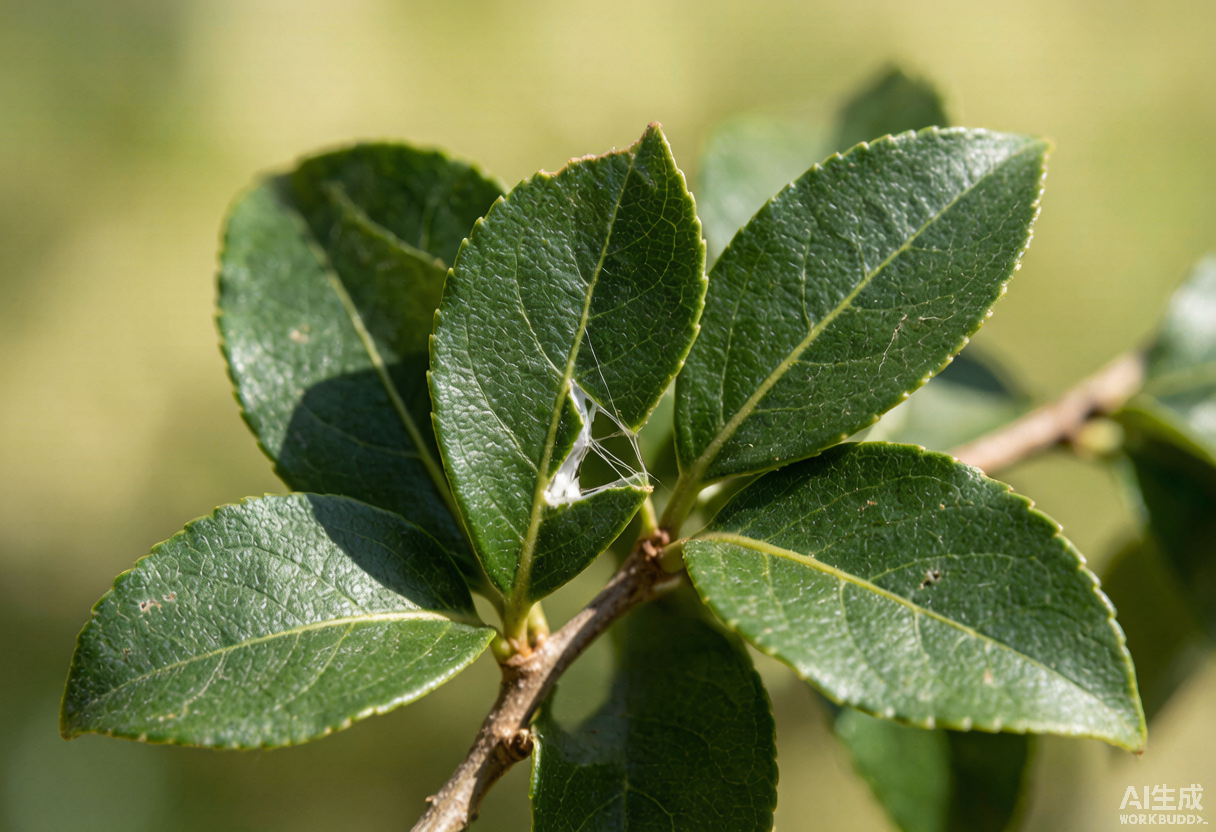
Camellia sinensis (L.) O. Kuntze leaf
Why HerbalSourcing
Buy verified green tea extract — not commodity blend
Technical Specification
Complete specification sheet
16-field gold-standard data — the technical transparency that competitors don't provide.
| Product Name | Green Tea Extract / Tea Polyphenols |
|---|---|
| Botanical Name | Camellia sinensis (L.) O. Kuntze leaf |
| Plant Family | Theaceae |
| Part Used | Leaf (young flush, one bud and two leaves preferred) |
| Active Ingredient | Tea Polyphenols / EGCG |
| Assay / HPLC | Tea Polyphenols 98% / EGCG 50%; TP 60% / EGCG 30%; TP 50% instant |
| Extraction Method | Aqueous ethanol extraction of Camellia sinensis leaf, membrane filtration, concentration and spray drying |
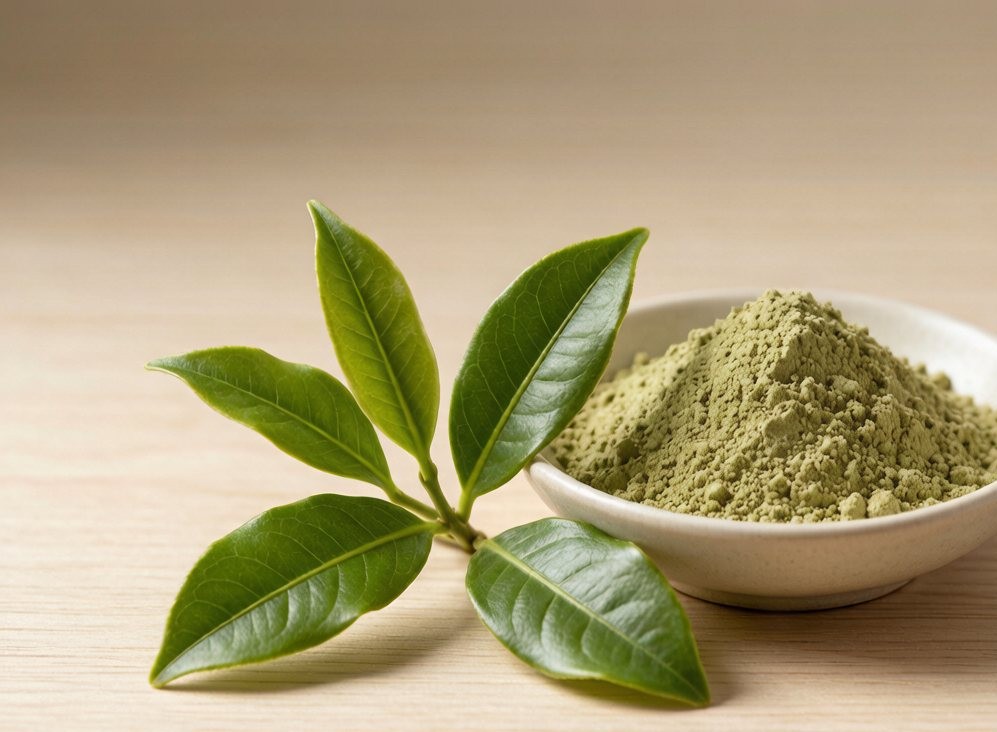
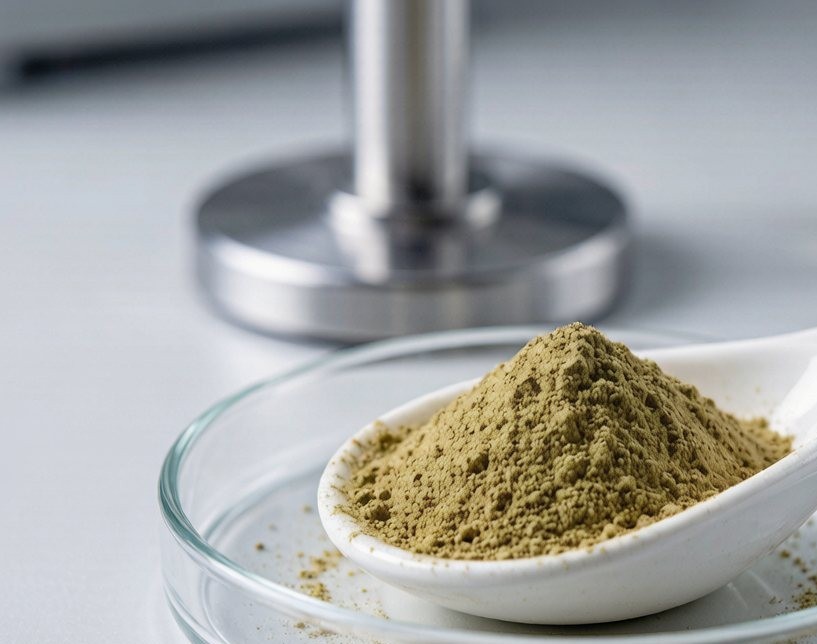
| Appearance | Fine green to tan-brown powder; characteristic tea aroma; instant grades form clear to light-green dispersions |
| Solubility | Partially soluble in water; freely soluble in aqueous ethanol; instant grades fully water-dispersible |
| Suggested Use | Capsules/tablets 200-500 mg per serving; beverages 50-200 mg/serving; cosmetics 0.5-2%; confirm by market and formulation |
| Origin | Zhejiang, Guizhou and Sichuan tea regions, China |
| Certifications | ISO 9001 document support, HACCP / GMP document review, Halal / Kosher document review, Batch-specific COA, Food-grade production route |
| MOQ / Packaging | 100 g sample / 5 kg pilot / 25 kg bulk |
| Lead Time | 7-20 days |
| Stability / Storage | 24 months when sealed, cool, dry and protected from light; EGCG oxidizes under alkaline and high-humidity conditions |
| Applications | Nutraceutical / functional food / solid beverage / antioxidant / cosmetic ingredient / oral care |
Pricing & MOQ
Tiered pricing — from sample to bulk
Transparent FOB China reference pricing. Formal quotation requires grade, batch and stock confirmation.
For sample pack or RFQ screening only. Formal quotation requires grade, batch and stock confirmation.
Request sample →Quoted after assay method, COA scope, pack route, lead time and application fit are confirmed.
Request pilot quote →Based on assay, MOQ, stock, packaging, shipping marks, freight term and destination market.
Request bulk quote →Available specifications
| Specification | SKU | Assay Method | Reference Price | Pack |
|---|---|---|---|---|
| Tea Polyphenols 98% / EGCG 50% | HS-BE-GTE-98-EGCG50 | Tea polyphenols by UV; EGCG by HPLC | FOB USD 26-34 / kg | 1 kg / foil bag or 25 kg / drum |
| Tea Polyphenols 60% / EGCG 30% | HS-BE-GTE-60-EGCG30 | Tea polyphenols by UV; EGCG by HPLC | FOB USD 18-25 / kg | 1 kg / foil bag or 25 kg / drum |
| Tea Polyphenols 50% — Instant / water-soluble | HS-BE-GTE-50-INSTANT | Tea polyphenols by UV | FOB USD 12-18 / kg | 1 kg / foil bag or 25 kg / drum |
Next Step
How to proceed with Green Tea Extract / Tea Polyphenols
Choose the path that matches your buying stage. Each route reaches the same procurement team, so you get a focused response.
Request a sample
Validate quality, appearance and solubility before committing. Samples ship with a batch COA.
Request sampleRequest a bulk quote
Get MOQ, lead time, FOB reference pricing and export-document support for your destination market.
Request quoteGet technical documents
COA, SDS, TDS and HPLC chromatogram. Tell us the batch or specification you need.
Request documentsDocuments
Download technical documents
COA, SDS, TDS and HPLC chromatogram available for every product. Request batch-specific documents through RFQ.
Applications
Where this ingredient fits
Use this when… — practical formulation guidance for each downstream application.
Antioxidant supplement formulas
Supplement brands and capsule/tablet manufacturers
Use TP98/EGCG50 or TP60/EGCG30 when the formula needs a high-marker green tea active with COA and HPLC support.
Functional beverage and solid drink powder
Functional food, beverage powder and sachet teams
Use TP50 instant when price, solubility, color, taste and dispersibility matter more than an EGCG-led claim.
Oral-care and cosmetic antioxidant
Cosmetic, oral-care and personal-care raw material buyers
Use tea polyphenol grades as botanical antioxidant inputs where final application and compliance route must be reviewed.
Weight-management and metabolic support
Sports nutrition and weight-management brands
Use EGCG-led grades in thermogenic and metabolic-support blends at clinically relevant serving sizes.
Real Buyer Scenario
How buyers actually source this
An anonymized example based on real inbound inquiry patterns — no names, no fabricated numbers.
A North-American brand formulating an EGCG-forward capsule had been burned by a prior supplier whose tea-polyphenol lot labelled 98 percent tested only 71 percent EGCG on their own HPLC and carried detectable pesticide residues. They needed a defensible, batch-locked specification before relaunch.
Representative buyer scenario based on common qualification requirements for high-EGCG green tea extract.
Product Knowledge Base
Everything buyers need to know about green tea extract
Technical depth that helps formulators and procurement teams choose with confidence.
What is Green Tea Extract / Tea Polyphenols?
Green tea extract is a concentrated preparation made from the leaves of Camellia sinensis, the tea plant. The key bioactive group is the tea polyphenols — a family of catechins that includes epigallocatechin gallate (EGCG), epicatechin (EC), epigallocatechin (EGC) and epicatechin gallate (ECG). Standardized extracts typically report Tea Polyphenols 50-98% by UV and EGCG 30-50% by HPLC. Unlike a simple tea powder, an extract delivers a consistent, measurable dose of these actives, which is why supplement, beverage and cosmetic formulators prefer it over ground leaf.
EGCG and the polyphenol complex — why markers matter
EGCG is the most studied catechin and the usual marker for premium green tea extracts. However, the polyphenol profile is broader: a 'Tea Polyphenols 98% / EGCG 50%' grade means 98% total polyphenols and roughly 50% EGCG. Some suppliers inflate the polyphenol number by including non-catechin compounds, so professional buyers cross-check with HPLC. We report both UV (total polyphenols) and HPLC (EGCG) so you can compare batch-to-batch consistency and verify that the high polyphenol figure is backed by real catechin content.
How green tea extract is produced
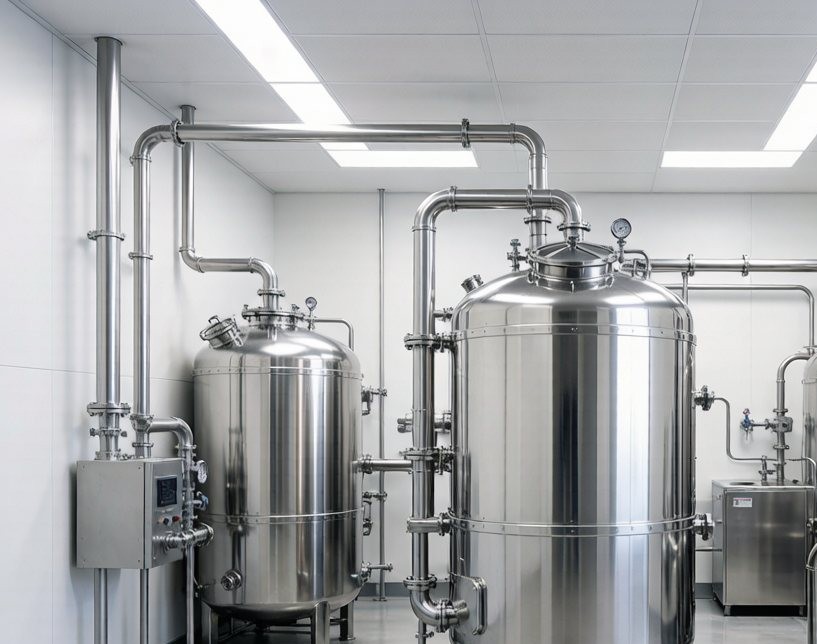
Production starts with freshly plucked young tea leaves. After a quick heat-fixation step (pan-firing or steaming) to inactivate polyphenol oxidase and preserve green catechins, the leaves are dried and sent for extraction. The industrial extract uses aqueous ethanol, followed by membrane filtration, concentration and spray drying to produce a fine powder. Higher-EGCG grades may include additional purification. The result is a stable, standardized powder with known polyphenol and EGCG content, ready for capsules, beverage premixes or cosmetic actives.
Applications across supplements, food and cosmetics
Green tea extract's versatility comes from its antioxidant, metabolic and antimicrobial properties. In supplements it is used in antioxidant, weight-management and metabolic-support formulas, typically dosed at 200-500 mg per serving. In functional foods and beverages it adds an antioxidant claim and a subtle tea note, with instant grades designed for sachets and RTD drinks. In cosmetics and oral care, polyphenols provide antioxidant, soothing and sebum-regulating benefits for serums, creams, masks and toothpaste. Each application demands different specifications: supplements need EGCG confirmation, beverages need solubility and taste, cosmetics need color stability and low odor.
Antioxidant mechanism and health-positioning notes
Green tea polyphenols, especially EGCG, are potent antioxidants that scavenge free radicals and modulate cellular signaling pathways. This underpins the ingredient's use in anti-aging, immune-support and metabolic-health products. Formulators should note that EGCG is relatively unstable at high pH and in the presence of oxygen and metal ions, so formulation pH, packaging and storage matter. Health claims must follow destination-market regulations — for example, EFSA has strict rules on green tea catechin claims and hepatotoxicity warnings for high-dose supplements in the EU.
Quality, compliance and what to confirm before export
Before exporting, confirm the grade matches the application: food-grade, supplement-grade or cosmetic-grade. Check caffeine content (and whether decaffeinated is needed), pesticide residues against EU / US / Japan positive lists, heavy metals, PAHs, residual solvents and microbiology. Halal, Kosher and organic certifications should be reviewed per buyer market. US supplement buyers typically need cGMP and FDA facility documentation; EU buyers need compliance with food-supplement and novel-food rules. We prepare the document set per destination and review it during RFQ, with batch-specific COA and HPLC chromatograms on request.
Quality & Compliance
Batch-level COA archive
Every batch is documented. Review historical batch records to verify quality consistency before committing to an RFQ.
| Batch Number | Production Date | Assay Result | Status | Action |
|---|---|---|---|---|
| HS-EGCG50-2406 | 2024-06 | Tea Polyphenols 98% / EGCG 50% | Passed | Request COA → |
| HS-EGCG50-2403 | 2024-03 | Tea Polyphenols 98% / EGCG 50% | Archived | Request COA → |
| HS-EGCG50-2312 | 2023-12 | Tea Polyphenols 98% / EGCG 50% | Archived | Request COA → |
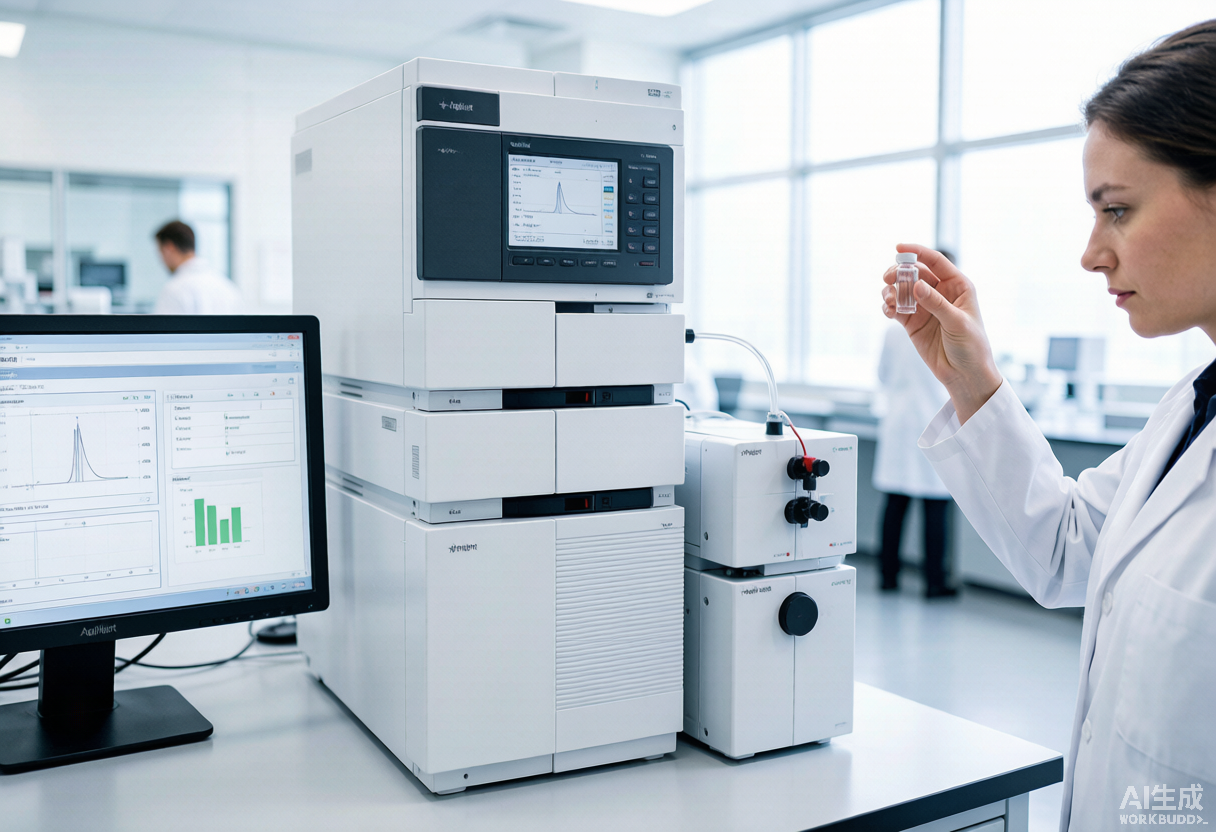
HPLC Chromatogram — Active Marker Identification
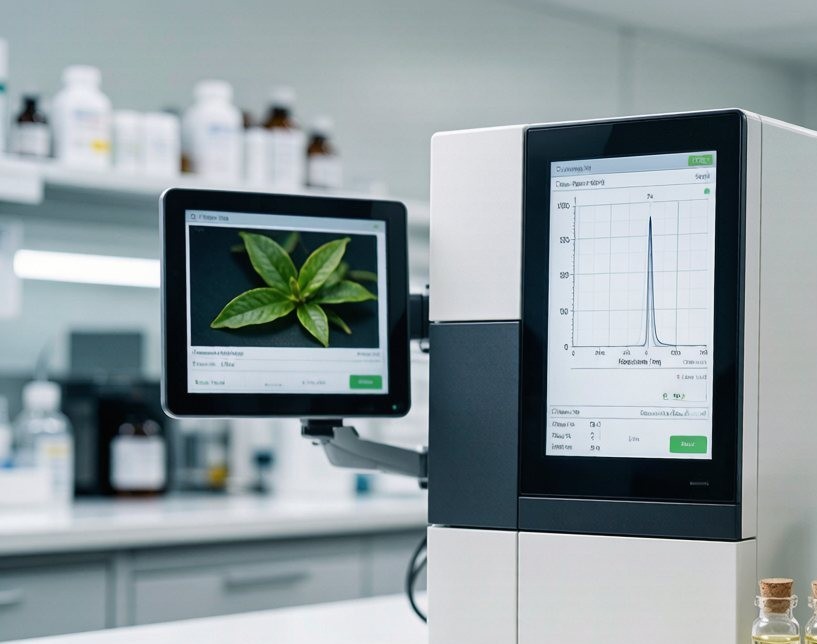
Chromatographic analysis of Tea Polyphenols / EGCG in our QC laboratory. The batch-specific chromatogram and full HPLC report are issued with every COA.
Testing Focus
Tea polyphenols by UV
EGCG by HPLC for marker grades
Caffeine content and decaffeination status
Pesticide residues (EU / US / Japan positive lists)
Heavy metals: Pb, Cd, As, Hg
Microbiology: total count, yeast/mold, E. coli, Salmonella
Residual solvent, PAHs and moisture
Document Notes
COA and assay method checked before quotation
MSDS, TDS and HPLC chromatogram prepared for buyer review
Halal / Kosher and food-grade documents reviewed per buyer market
Final batch photo and label confirmed after quantity approval
Sourcing Story
From harvest to your formulation
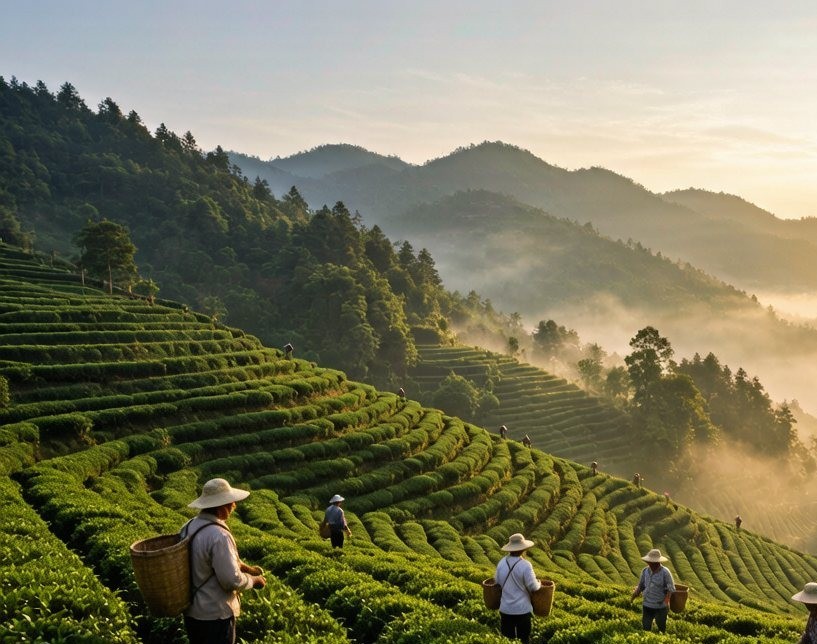
Zhejiang, Guizhou and Sichuan tea regions, China
GreenSource™ Verified Origin
Green Tea Extract / Tea Polyphenols is sourced from Zhejiang, Guizhou and Sichuan tea regions, China. Our GreenSource™ program ensures every batch is traceable to its harvest region, tested by HPLC for active marker confirmation, and sourced through fair-trade cooperatives that support local farming communities.
Gallery
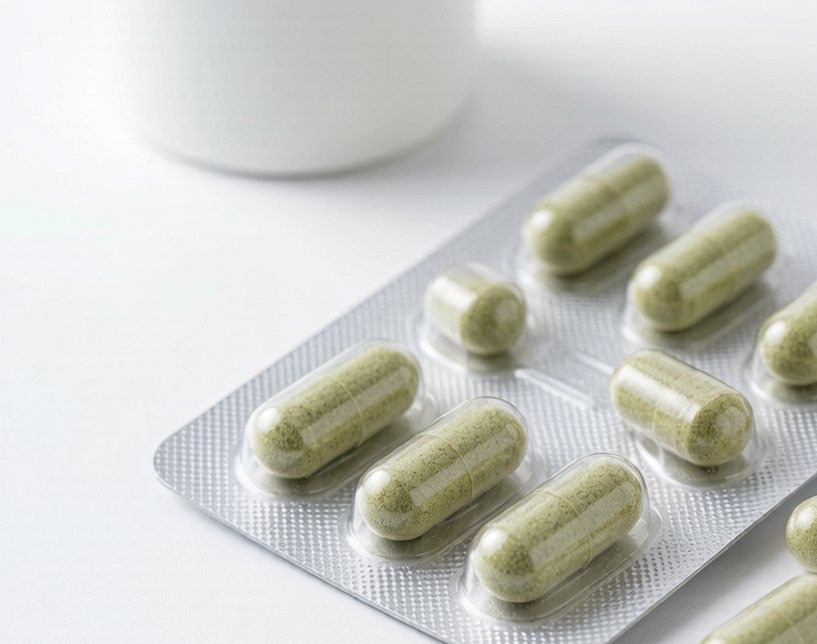
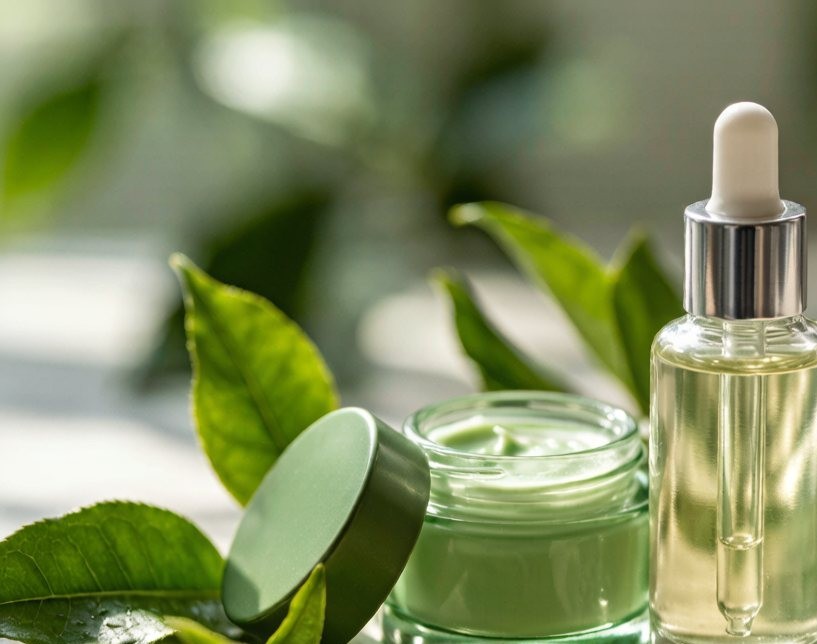
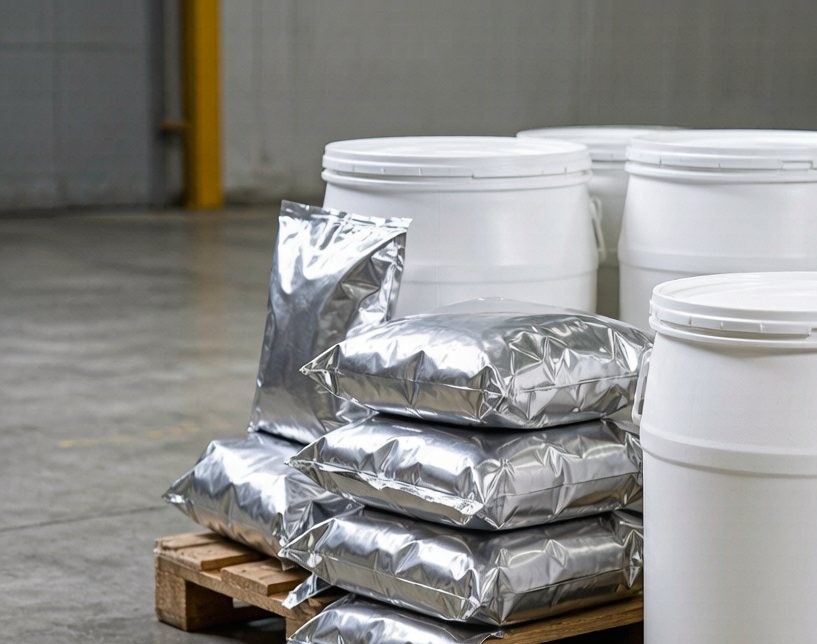
From plantation to product
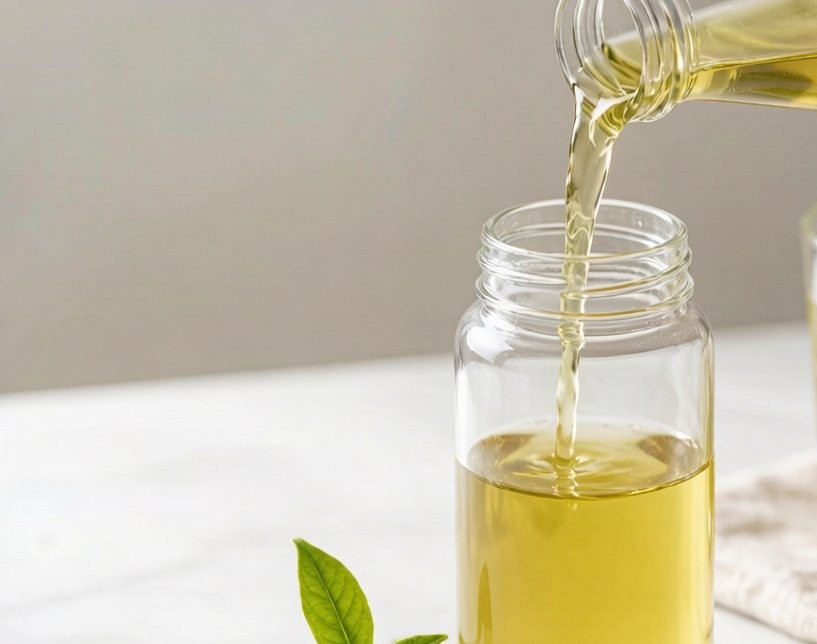
Technical FAQ
Common technical questions
What is the solubility of Green Tea Extract / Tea Polyphenols?
How is the active marker verified?
What is the minimum order quantity?
What documents are available?
What is the shelf life and storage recommendation?
Ready to Source?
Ready to source Green Tea Extract / Tea Polyphenols?
Get a documented quote with batch-level COA, HPLC data and export documentation within 24 hours.